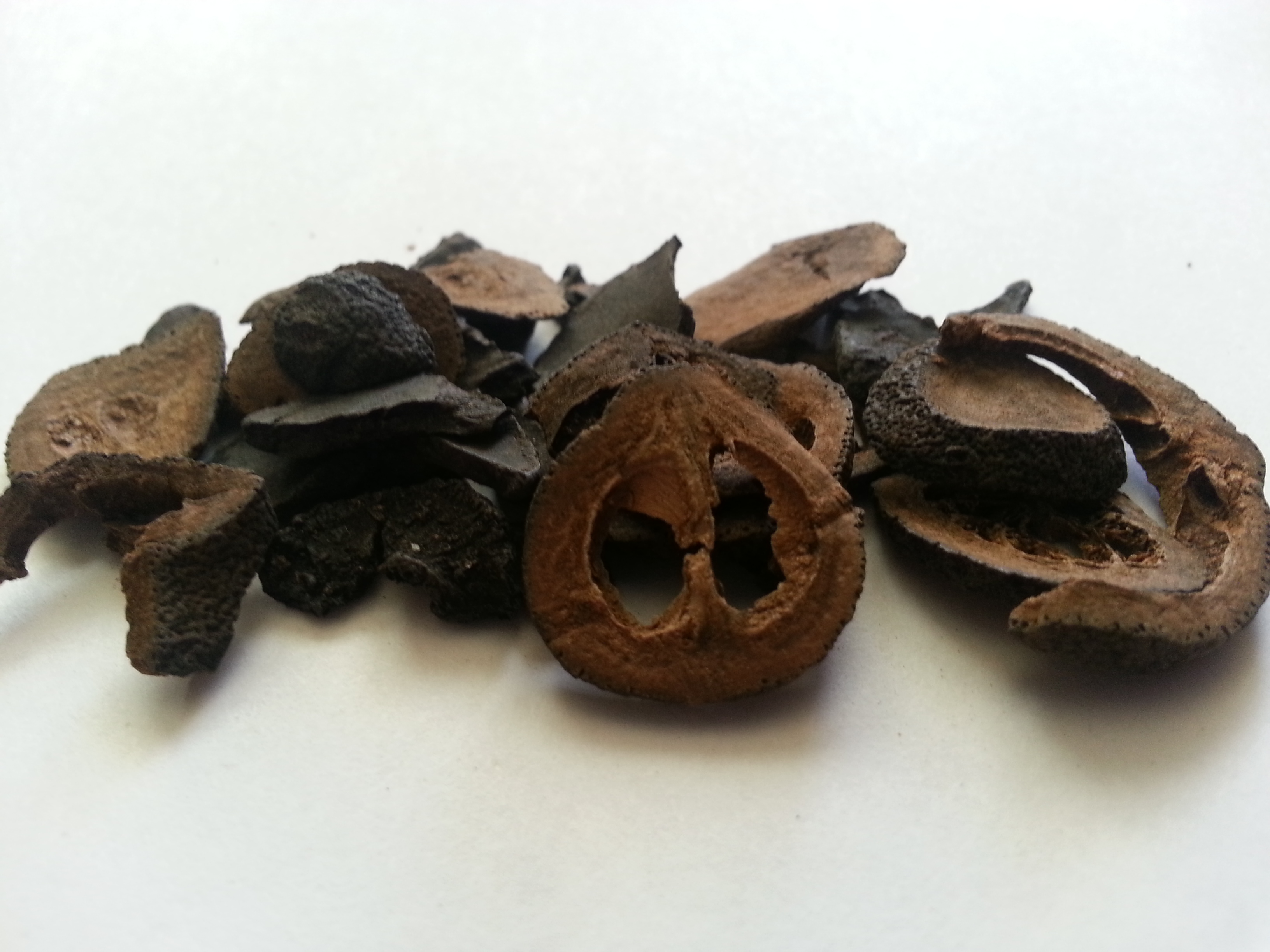
Zhi Shi
Aurantii Fructus immaturus
acrid, bitter, slightly cold
PRIMARY FUNCTION:
Regulate Qi
CLASSICAL MANIFESTATIONS:
- Epigastric pain
- Abdominal pain
- Focal distention
- Fullness in the chest
- Uterine prolapse
- Rectal prolapse
- Gastriectasis
- Gastroptosis
- Low blood pressure
Zhi Shi is bitter, acrid, and slightly cold. It enters the spleen, stomach, and large intestine systems to move and regulate qi.
Channels: spleen, stomach, large intestine
COMMON APPLICATIONS AND CLINICAL POSSIBILITIES:
- Low aldosterone production
- Fullness in the chest
- Liver phase II
- Dyspnea
- Constipation
- IBS
- Angina pain
- Diuresis
Formulas:
- Da Chai Hu Tang
- Da Cheng Qi Tang
- Dao Tan Tang
- Huang Lian Wen Dan Tang
- Huang Long Tang
- Ju He Wan
- Ma Zi Ren Wan
- Qing Qi Hua Tan Wan
- Si Ni San
- Si Wu Ma Zi Ren Wan
- Wen Dan Tang
- Xiao Cheng Qi Tang
- Zhi Shi Dao Zhi Wan
- Zhi Shi Gua Lou Gui Zhi Tang
- Zhi Shi Xiao Pi Wan
- Zhi Shi Xie Bai Gui Zhi Tang
- Zhi Zhu Wan
- Zhi Zi Hou Po Tang
Contraindications: prescribe Zhi Shi cautiously to patients that present with poor digestive function or with patients that are pregnant
Zoo Image: a beaver with a cork in its chest is chiseling qi into a tree that has one prolapse branch and one blood pressure branch, a torso comes out of the tree showing the navel, chest, and abdomen