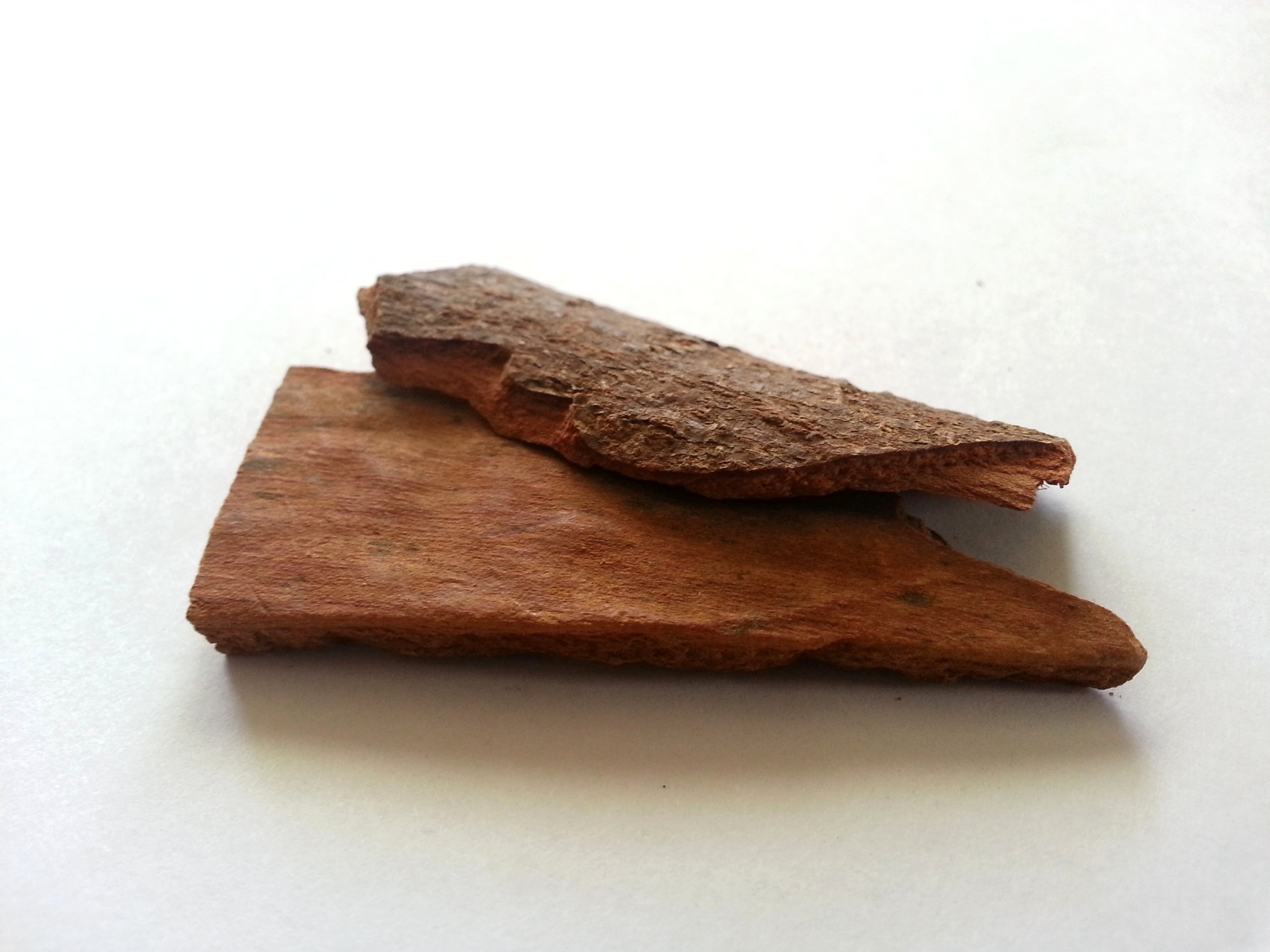
Rou Gui
Cinnamomi Cortex
acrid, hot, sweet
PRIMARY FUNCTION:
Warm the Interior and Expel Cold
CLASSICAL MANIFESTATIONS:
- Aversion to cold
- Cold limbs
- Weak back
- Erectile dysfunction
- Frequent urination
- Wheezing
- Abdominal pain
- Reduced appetite
- Diarrhea
- Chest pain
- Amenorrhea
- Dysmenorrhea
- Arthritis
- Sores
- Boils
- Flushed face
- Excess sweating
- Weak and cold extremities
- Deficient rootless pulse
- Heat above with cold below
- Qi deficiency
- Blood deficiency
Rou Gui is acrid, sweet, and hot. It enters the liver, heart, kidney, and spleen systems to break up cold patterns and add warmth to tonify the yang.
Channels: liver, heart, kidney, spleen
COMMON APPLICATIONS AND CLINICAL POSSIBILITIES:
- Diarrhea
- Raynaud’s
- Arthritis
- Chronic low back pain
- Fatigue
- Hypothyroid
- Hypoadrenia
- Stomachache
- Antimicrobial
- Asthma
Formulas:
- Ai Fu Nuan Gong Wan
- Bao Yuan Tang
- Da Ying Jian
- Di Huang Yin Zi
- Du Huo Ji Sheng Tang
- Jia Wei Shen Qi Wan
- Ju He Wan
- Long Chi Qing Hun Tang
- Mu Xiang Liu Qi Yin
- Nuan Gan Jian
- Qi Zhen San
- Ren Shen Yang Rong Tang
- Rou Fu Bao Yuan Tang
- Shao Fu Zhu Yu Tang
- Shao Yao Tang
- Shi Quan Da Bu Tang
- Su Zi Jiang Qi Tang
- Wen Yang Bu Gan Jiang
- Wu Ji San
- Yan Hu Suo Tang
- Yang He Tang
- You Gui Wan
- You Gui Yin
- Zhen Ren Yang Zang Tang
Contraindications: prescribe Rou Gui with caution to patients that present with severe heat patterns due to deficiency
Zoo Image: a cold lion Santa from the Source Pole with a fire sled is wheezing with cold knees while his elves (one with diarrhea, middle one with abdominal pain) hang a heart on the tree, there are qi and blood gifts under the tree and there are spleen, kidney, and yang ornaments on the tree